In previous articles, we explored "
Can Fungal Infections in Dogs and Cats Spread to Humans? Signs and Symptoms" and "
A Comprehensive Guide to Safe and Effective Antifungal Treatments for Dogs and Cats with Fivevet Experts" In this article, Fivevet provides a more detailed overview of azoles - one of the most important classes of antifungal drugs and widely used in veterinary medicine because of their broad spectrum of activity. However, individual azole active ingredients differ in their properties, indications, and safety profiles. The appropriate agent must therefore be selected according to each dog's or cat's specific clinical condition.
I.What Are Azole Antifungal Drugs for Dogs and Cats?
Azoles are a widely used class of antifungal drugs with a broad spectrum of activity and a generally favorable safety profile. They are effective against yeasts such as
Candida spp., dermatophytes, and filamentous fungi such as
Aspergillus spp. In veterinary medicine, these drugs are used to treat superficial or systemic fungal infections, depending on the active ingredient and the animal's clinical condition.
1. Mechanism of Action
Azole antifungal drugs inhibit ergosterol synthesis in the fungal cell membrane by binding to lanosterol 14-alpha-demethylase, also known as CYP51, an enzyme in the cytochrome P450 system.
When the conversion of lanosterol to ergosterol is blocked, ergosterol levels decline while lanosterol and abnormal methylated sterols accumulate within the cell. Ergosterol depletion destabilizes the fungal cell membrane, disrupting transport and metabolic functions. As a result, fungal growth, cell division, and replication are inhibited.
Mechanism of Action of Azole Antifungal Drugs
2. Mechanisms of Drug Interactions
In addition to inhibiting ergosterol synthesis, azoles can affect drug transport and metabolism in the body. Azole active ingredients may inhibit cytochrome P450 (CYP450) enzymes in mammals, reducing the metabolism and increasing the plasma concentrations of drugs processed through this enzyme system. Conversely, concomitant administration with CYP450 inducers may accelerate azole metabolism and lower blood concentrations, potentially reducing therapeutic efficacy. The degree of CYP450 inhibition varies among active ingredients: ketoconazole is the most potent inhibitor, followed by itraconazole, voriconazole, and fluconazole.
Some azoles also affect P-glycoprotein, a drug-efflux transporter found in the intestine, liver, kidneys, and central nervous system. This can alter drug absorption, distribution, and elimination. Itraconazole inhibits P-glycoprotein more strongly than other agents in the class, whereas fluconazole has a lower interaction potential.
Azoles Inhibit CYP450 Enzymes
3. Classification of Azoles
Based on the number of nitrogen atoms in the azole ring of their chemical structure, these drugs are divided into two main groups: imidazoles and triazoles.
Comparison of Imidazoles and Triazoles
Imidazoles are first-generation azoles characterized by an imidazole ring containing two nitrogen atoms. They strongly inhibit CYP450 enzymes in both fungi and mammals and are therefore more likely to cause drug interactions and interfere with hepatic metabolism and steroid hormone synthesis. Because of their greater potential for hepatic and endocrine toxicity, many imidazole agents are preferentially used topically.
Triazoles are later-generation azoles characterized by a triazole ring containing three nitrogen atoms. They are more selective for fungal CYP450 enzymes and have less effect on mammalian steroid hormone synthesis. Triazoles are generally well absorbed and widely distributed, and are commonly used to treat systemic infections caused by
Candida spp.,
Aspergillus spp., and
Cryptococcus spp.
II. Which Antifungal Drugs Belong to the Imidazole Group?
1. Ketoconazole
Ketoconazole is an imidazole antifungal with good activity against the yeast
Candida spp.,
Malassezia pachydermatis, dermatophytes, and certain dimorphic fungi, including
Histoplasma,
Blastomyces, and
Coccidioides. It is less effective against
Cryptococcus neoformans,
Sporothrix schenckii, and
Aspergillus spp.
Ketoconazole is well absorbed in an acidic environment, is highly bound to plasma proteins (>90%), is metabolized primarily in the liver, and distributes well into the skin and subcutaneous tissues. It is commonly used to treat dermatophytosis,
Malassezia dermatitis, and certain susceptible fungal infections. Because it inhibits steroid hormone synthesis, ketoconazole may also be used to support the temporary management of Cushing's syndrome in dogs.
Because ketoconazole strongly inhibits CYP450 enzymes, it is prone to drug interactions and carries a greater risk of hepatic and endocrine toxicity than triazoles. Common adverse effects include gastrointestinal disturbances, decreased appetite, coat changes, and hair loss with prolonged use. It is not recommended for pregnant or lactating animals.
2. Clotrimazole
Clotrimazole is active against
Candida spp.,
Malassezia pachydermatis,
Microsporum spp.,
Trichophyton spp., and
Aspergillus spp.
The drug is used primarily topically because systemic absorption is low. Following cutaneous or otic administration in dogs, plasma concentrations remain very low, indicating that the drug acts mainly at the treatment site and that any absorbed fraction is rapidly metabolized in the liver.
Clotrimazole is commonly used to treat dermatophytosis, fungal otitis externa, and nasal aspergillosis in dogs. It may also be combined with active ingredients such as gentamicin sulfate and betamethasone valerate to treat acute and chronic otitis externa in dogs. Owing to its low systemic absorption, clotrimazole is relatively safe when used topically, although it may cause local skin or mucosal irritation.
3. Miconazole
Miconazole has broad activity against yeasts, dermatophytes, and filamentous fungi, including
Candida spp.,
Malassezia pachydermatis,
Blastomyces dermatitidis,
Histoplasma capsulatum, and
Aspergillus fumigatus. In addition to its antifungal effects, it has mild antibacterial activity against certain Gram-positive and Gram-negative bacteria.
Because oral absorption is poor, miconazole is used mainly topically to treat dermatophytosis,
Malassezia dermatitis, otitis externa, and other localized fungal infections in dogs and cats.
Therapeutic efficacy may be enhanced when miconazole is combined with chlorhexidine for dermatological conditions or with polymyxin B for otitis externa. The most common adverse effect is irritation at the application site.
Fivevet Products Containing Miconazole
III. Which Antifungal Drugs Belong to the Triazole Group?
1. Fluconazole
Fluconazole is a triazole antifungal with good activity against several pathogenic fungi in animals, including
Candida spp.,
Cryptococcus spp.,
Blastomyces spp.,
Coccidioides spp., and
Histoplasma spp. However, its activity against
Aspergillus spp. is limited, and fluconazole resistance has been reported with increasing frequency in some
Aspergillus strains.
Fluconazole has high bioavailability (>90%) and low plasma protein binding (10-12%), allowing wide distribution into many tissues and body fluids. Notably, it penetrates the blood-brain barrier effectively.
Fluconazole is eliminated primarily by the kidneys in its active form. This property offers advantages in the treatment of fungal infections affecting the central nervous system and urinary tract.
In veterinary medicine, fluconazole is used to treat dermatophytosis,
Malassezia dermatitis, and systemic fungal infections in dogs and cats, particularly when extensive tissue distribution is required. Adverse effects may include vomiting, diarrhea, decreased appetite, elevated liver enzymes, lethargy, or drowsiness. Its use in pregnant animals is not recommended because safety data remain limited.
Fivevet Products Containing Fluconazole
2. Itraconazole
Itraconazole is a triazole antifungal with a broader spectrum of activity than fluconazole. It is effective against many yeasts and filamentous fungi, including
Candida spp.,
Aspergillus spp.,
Microsporum spp.,
Trichophyton spp.,
Malassezia spp.,
Cryptococcus spp.,
Blastomyces spp., and
Histoplasma spp. However, its activity against
Fusarium spp. is limited.
Itraconazole is well absorbed in an acidic environment and when administered with food. It is widely distributed and accumulates in the skin and nails. The drug is then metabolized primarily in the liver to hydroxyitraconazole, an active antifungal metabolite, and is excreted in the bile.
In cats, itraconazole is commonly used to treat cryptococcosis and dermatophytosis. Pulse therapy may be prescribed by a veterinary professional to optimize treatment efficacy. In dogs, the drug is commonly used to treat blastomycosis and
Malassezia dermatitis.
Adverse effects include gastrointestinal disturbances, hepatotoxicity, and reduced myocardial contractility. Caution is therefore required in animals with cardiac disease, and high-dose use is not recommended during pregnancy.
Fivevet Product Containing Itraconazole
IV. Why Is Selecting the Right Azole Active Ingredient Important for Dogs and Cats?
Azoles play an important role in the treatment of fungal diseases in dogs and cats because of their broad - spectrum of activity and availability in multiple dosage forms. However, ketoconazole, clotrimazole, miconazole, fluconazole, and itraconazole each have distinct characteristics. The drug should therefore be selected according to the animal's specific condition.
Selecting the appropriate active ingredient, using it for the correct indication and prescribed duration, and monitoring the animal's response can improve treatment outcomes while reducing the risks of recurrence, drug interactions, and antifungal resistance.
This article was prepared by the Pharmaceutical Research and Development Department, Central Veterinary Medicine Joint Stock Company No. 5 (Fivevet).
Frequently Asked Questions
1. Can azole antifungal drugs be used in both dogs and cats?
Many azole active ingredients can be used in both dogs and cats. However, the dose, route of administration, and treatment duration depend on the specific drug, fungal species, site of infection, and the animal's health status. Pet owners should not administer these medications without veterinary guidance.
2. How do topical and oral azole medications differ?
Topical formulations are generally used for localized cutaneous fungal infections or fungal otitis externa. Oral formulations are systemically distributed and may be considered when lesions are extensive or recurrent, or when internal organs are affected. The choice of formulation should be based on clinical examination and diagnosis.
3. How long does azole treatment take to resolve a fungal infection in dogs or cats?
Treatment duration depends on the causative organism, severity of lesions, response to therapy, and medication used. Some superficial fungal infections may require several weeks of treatment, and medication may need to continue even after clinical signs improve. Treatment should not be stopped prematurely, as this may lead to recurrence or increase the risk of antifungal resistance.
4. Can azole antifungal drugs cause adverse effects?
Azoles may cause gastrointestinal disturbances, decreased appetite, vomiting, diarrhea, or elevated liver enzymes. Some active ingredients may also interact with other medications or affect the endocrine and cardiovascular systems. If an animal develops unusual signs during treatment, pet owners should avoid attempting further treatment on their own and contact a veterinarian for assessment.
5. Which Fivevet azole antifungal products are available for dogs and cats?
Fivevet currently offers several products for dogs and cats that contain azole active ingredients. These include
Five-Itrazole for Pet, an itraconazole oral solution;
Five-Flucan for Pet, fluconazole tablets; and
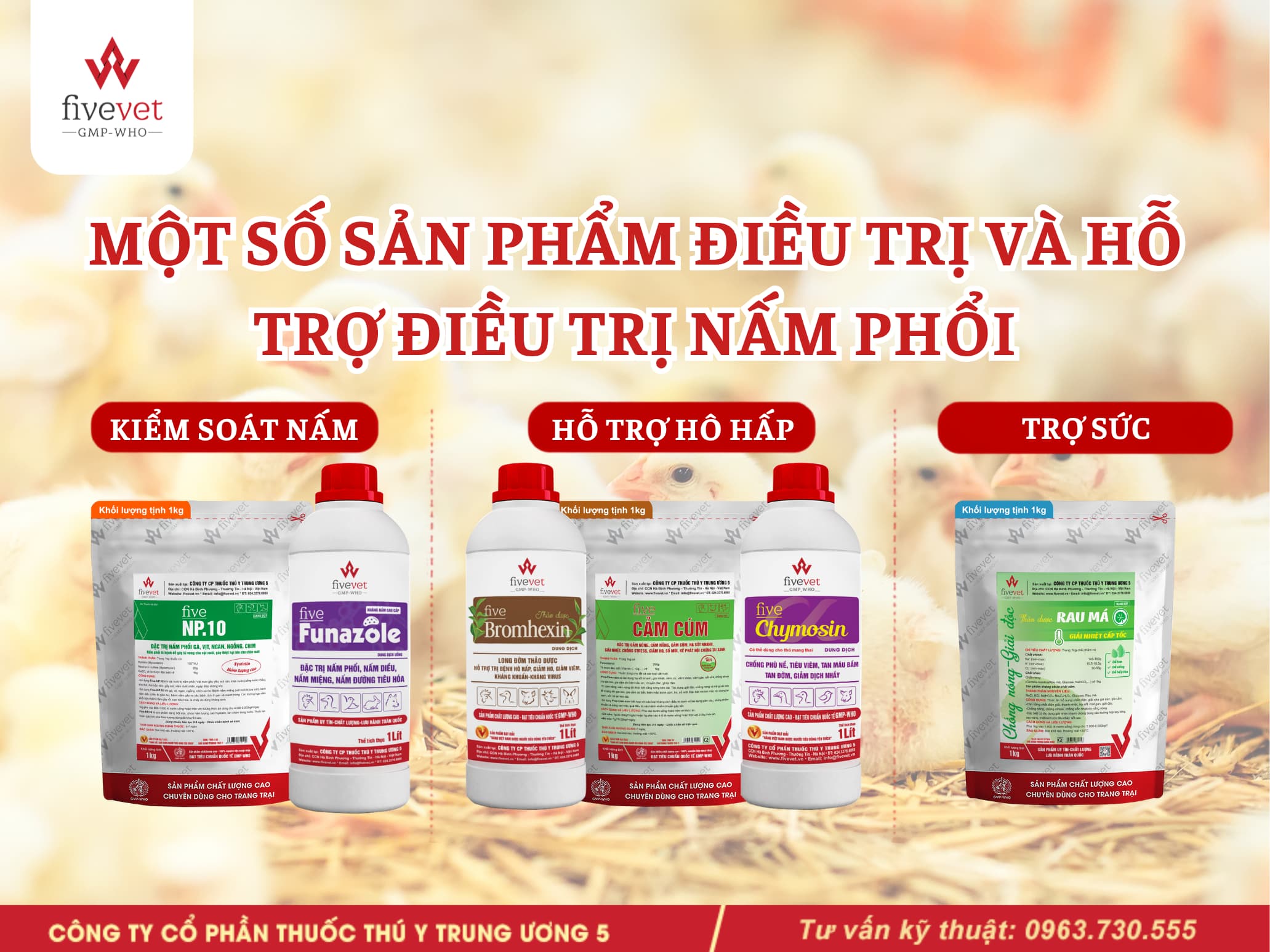
Five-Funazole, a fluconazole oral solution.
For superficial fungal infections, Fivevet also offers
Five-Charmie Skin for Pet spray and
Five-Charmie Skin Shampoo. Both contain miconazole combined with chlorhexidine to help control fungi and bacteria at the application site.
Each product has a different composition, dosage form, scope of use, and treatment regimen. Product selection should therefore take into account the location and severity of the fungal infection and the animal's overall health, under the guidance of a veterinarian.
 024 3376 6868
  info@fivevet.vn
  Đăng nhập
  VN
VN
 ENG
ENG


